

Parkinson’s Disease Program
12 week program for individuals with Parkinson's DiseaseWhat is Parkinson's Disease?
It is important to differentiate between Parkinsonism and Parkinson’s Disease. These terms can be confusing and difficult to differentiate. See below for official definitions.
“Parkinson’s disease is a neurodegenerative brain disorder that progresses slowly in most people. Symptoms can take years to develop, and most people live for many years with the disease.”
“Parkinsonism is a general term that refers to a group of neurological disorders that cause movement problems similar to those seen in Parkinson’s disease such as tremors, slow movement and stiffness. Under the category of parkinsonism there are a number of disorders, some of which have yet to be clearly defined or named. Early in the disease process, it is often hard to know whether a person has idiopathic (meaning “of unknown origins”) Parkinson’s Disease or a syndrome that mimics it. Parkinsonisms, also known as atypical Parkinson’s Disease or Parkinson’s plus, represent about 10-15% of all diagnosed cases of parkinsonism.”
Stages of Parkinson's
Different people experience disease progression at different speeds. However, physicians have established stages that describe how the disease progresses. These five stages of Parkinson's are known as the Hoehn and Yahr Scale
1
Unilateral involvement only, usually with minimal or no functional disability.
2
Bilateral or mid-line involvement, without impairment of balance.
3
Bilateral disease – mild-to-moderate disability with impaired postural reflexes; physically independent.
4
Severely disabling disease – still able to walk or stand unassisted.
5
Confinement to bed or wheelchair unless aided.
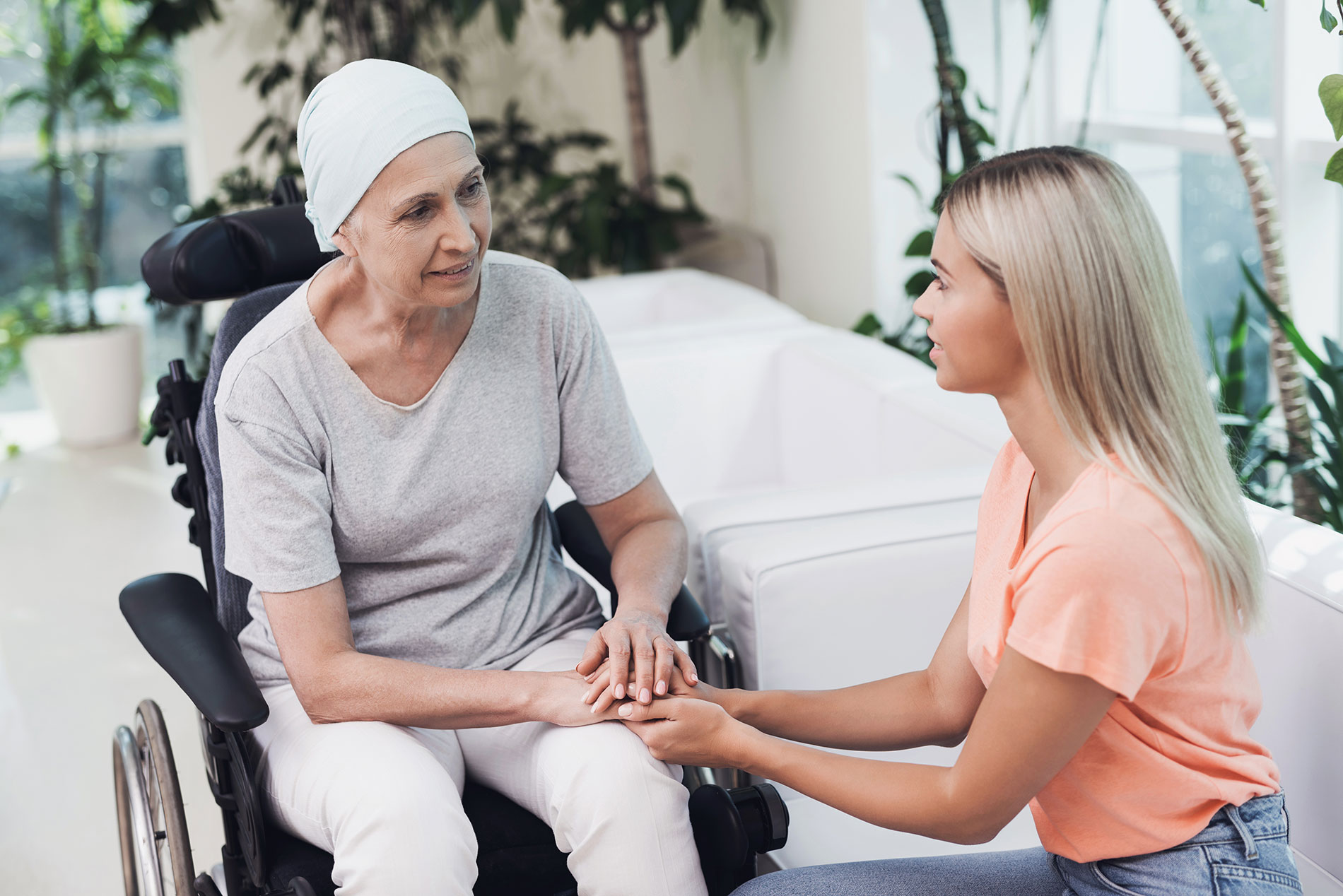
The importance of exercise with Parkinson's Disease
Exercise can not only help improve symptoms of Parkinson’s Disease but has also been shown to slow the progression of the disease. Exercise does so by improving flexibility, strength, cardiorespiratory fitness, gait, balance, and motor control.
Topics covered during the Parkinson's Disease exercise program
- Posture training
- Gait training
- Functional training for activities of daily living (transfers)
- Increasing upper and lower body strength
- Fall prevention
- Range of motion and mobility
- Co-ordination and rhythm
- Pelvic floor training
- Sleep and overcoming fatigue
- Multitasking
Join WillKin
Let us know a bit more about your experience and aspirations, so we can guide you efficiently.